In men’s fashion, small details often make the biggest difference. While suits, shirts, and shoes tend to receive most of the attention, accessories quietly play a powerful role in defining a polished look. Two of the most underrated yet essential accessories for men are tie clips and belts. These simple items may seem small, but they can transform an outfit from ordinary to refined.
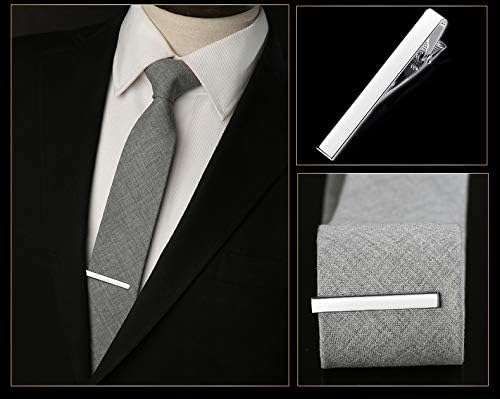
A tie clip, sometimes called a tie bar, serves both a functional and aesthetic purpose. Its primary job is to keep your tie securely attached to your shirt, preventing it from swinging or shifting throughout the day. This is particularly useful in professional settings, formal events, or situations where appearance matters. However, beyond its practical use, a tie clip also adds a sophisticated touch to your overall style.
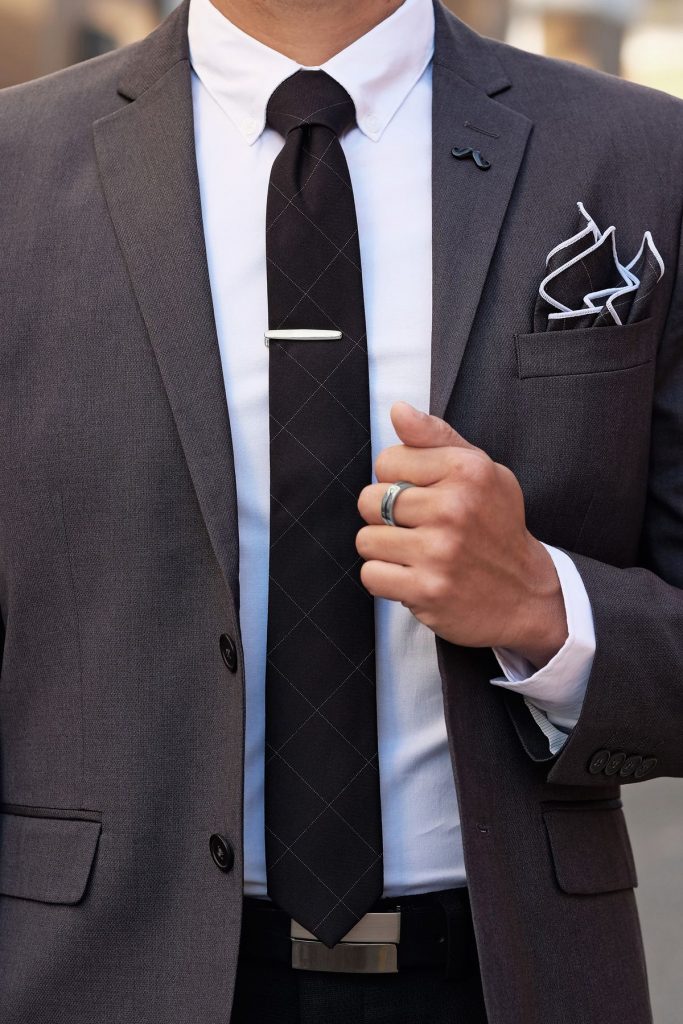
When worn correctly, a tie clip should sit between the third and fourth buttons of your dress shirt. This placement ensures that your tie stays neatly aligned while maintaining a balanced visual proportion. The width of the tie clip should also complement the width of your tie. A tie clip that covers about three-quarters of the tie width typically looks the most balanced.
Material and design choices also matter. Classic silver or brushed metal tie clips offer timeless elegance, while matte black or minimalist designs bring a modern edge to formalwear. For those who enjoy subtle personality in their wardrobe, engraved or textured tie clips can add just the right amount of character without overwhelming the outfit.
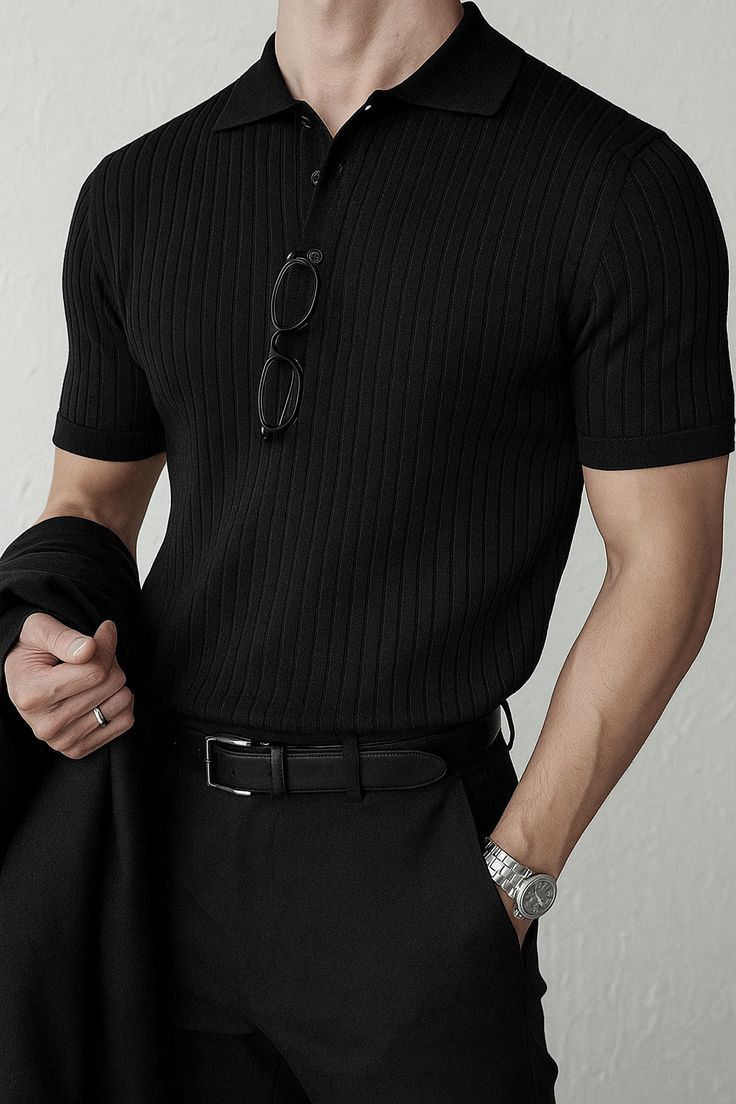
While tie clips focus on the upper part of the outfit, belts play an equally important role in completing the overall look. A belt is not just a functional item used to hold trousers in place—it also helps create visual structure and balance. The right belt ties together shoes, trousers, and other accessories into a cohesive outfit.
One important rule many style experts follow is matching the belt with the shoes. A brown belt pairs best with brown shoes, while black belts are typically worn with black dress shoes. This simple guideline helps maintain harmony in formal and business attire. When the belt and shoes match, the outfit instantly appears more intentional and polished.
The width of the belt should also correspond to the formality of the outfit. Slim belts tend to work better with dress trousers and suits, while slightly wider belts complement casual outfits like jeans or chinos. The buckle design is another subtle detail that can influence the style of the belt. Minimalist buckles often suit formal occasions, while larger or more decorative buckles may fit casual or rugged styles.
Quality materials make a significant difference when it comes to belts. Genuine leather belts tend to age beautifully and maintain their shape over time. They develop a natural patina that adds character, making them a worthwhile investment for anyone building a versatile wardrobe.
When combined thoughtfully, tie clips and belts contribute to a well-balanced look. They create subtle visual anchors in both the upper and lower halves of an outfit. This balance gives the impression of careful attention to detail, which is often the hallmark of good style.
Ultimately, great fashion does not always rely on bold statements. Sometimes, it is the smallest elements that elevate an outfit. Tie clips and belts are perfect examples of how simple accessories can enhance confidence, professionalism, and overall style. By choosing the right designs and wearing them properly, any man can bring a refined finish to his wardrobe.