A well-dressed appearance is often built on the foundation of small, thoughtful details. While shirts, suits, and shoes usually take center stage, accessories such as tie clips and belts quietly shape the overall impression of an outfit. These pieces may seem minor at first glance, but they play a significant role in creating a polished and professional look.
Tie clips are one of the most practical accessories in men’s formalwear. Originally designed to keep ties in place, they prevent the tie from shifting or moving around throughout the day. This is especially useful during busy workdays, meetings, or formal events where maintaining a neat appearance matters.
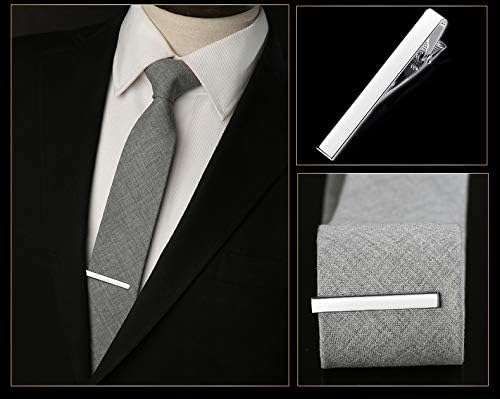
However, the value of a tie clip goes beyond functionality. It also serves as a subtle style statement. A carefully chosen tie clip can add a refined highlight to an otherwise simple outfit. Because it sits near the center of the chest, it naturally draws attention without being overly flashy.
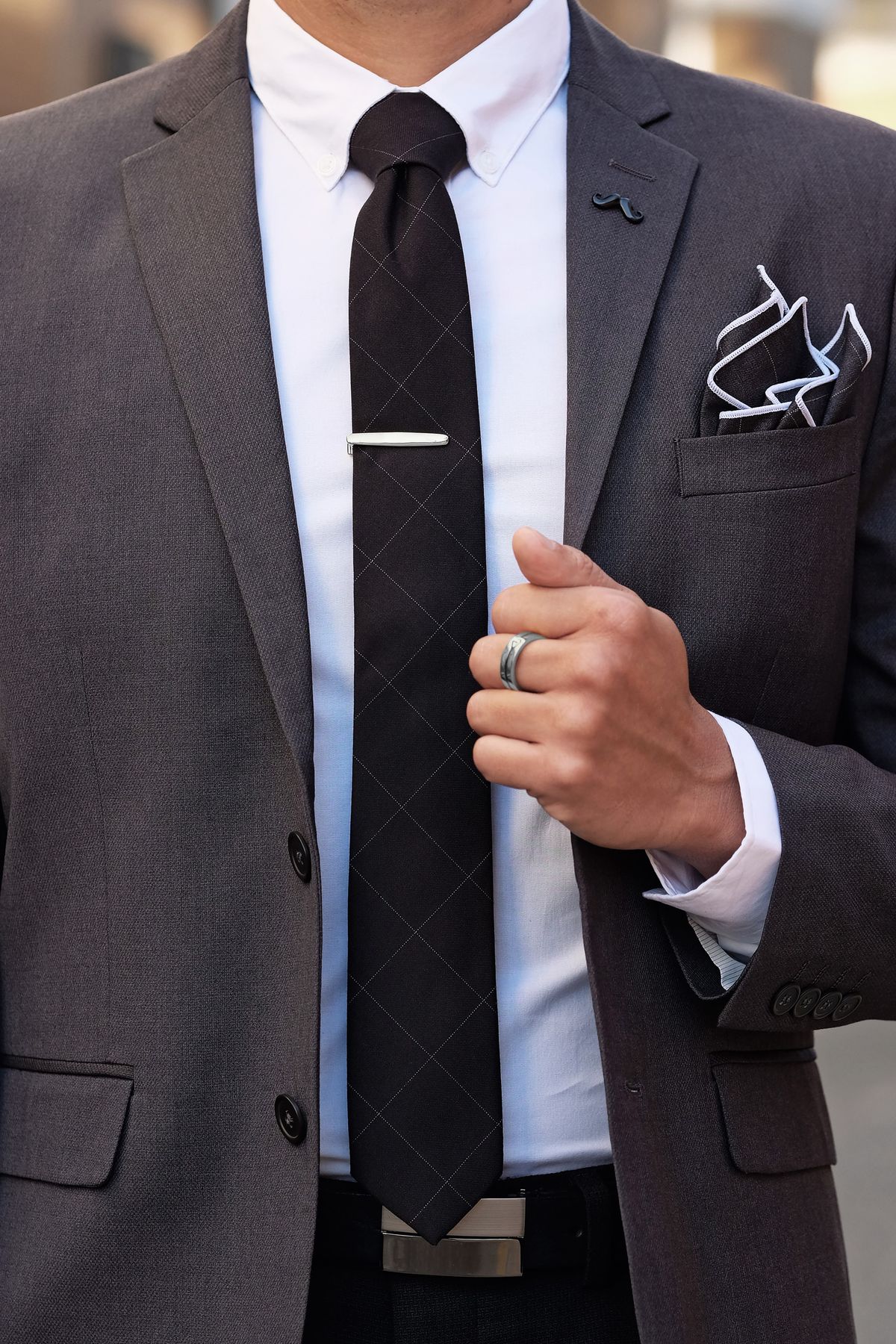
When selecting a tie clip, proportion is key. The length of the tie clip should not exceed the width of the tie. In most cases, a tie clip that spans about three-quarters of the tie width creates the most balanced look. Placement is equally important. The clip should typically be worn between the third and fourth buttons of the dress shirt. This position ensures both visual balance and practical stability.
The design of a tie clip can vary widely. Minimalist metal bars are among the most popular choices because they are versatile and work well with many outfits. Brushed silver, polished stainless steel, or matte black finishes are all classic options. These neutral tones complement most tie patterns and colors while maintaining a professional appearance.
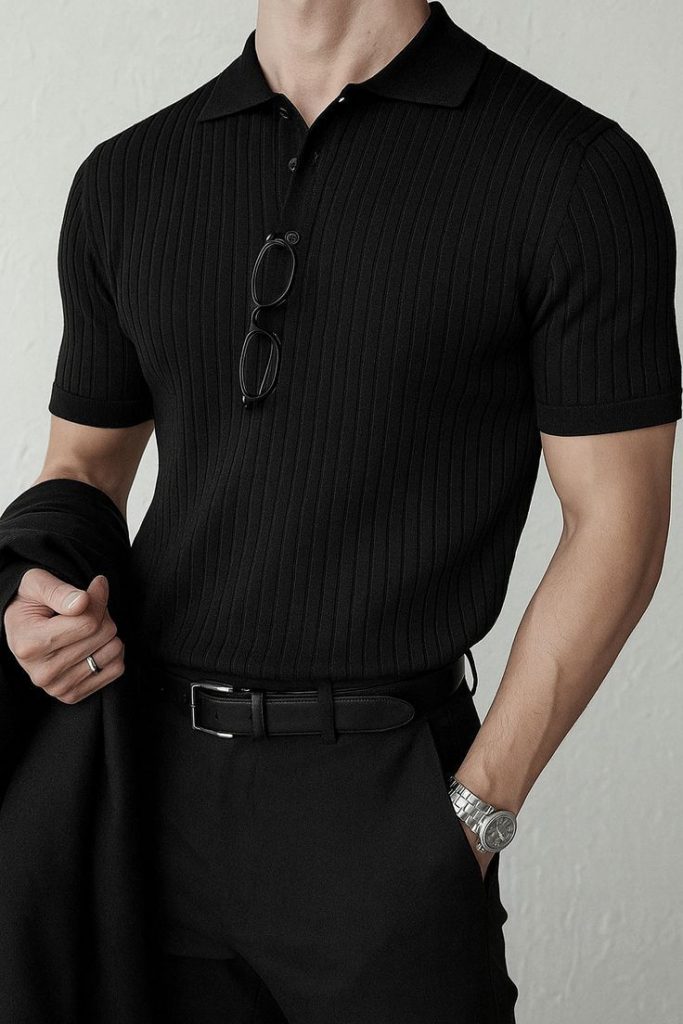
Belts, on the other hand, provide structure and continuity to the lower half of an outfit. Although belts are often seen as purely functional items, they also serve as visual connectors within a wardrobe. A good belt helps unify different elements of an outfit, particularly trousers and shoes.
One of the most widely accepted style rules is matching belt color with shoe color. Black belts pair best with black dress shoes, while brown belts are typically worn with brown footwear. This simple coordination instantly creates a more cohesive look and demonstrates attention to detail.
The width of the belt also influences the overall formality of an outfit. Narrow belts with simple buckles tend to look more refined and are ideal for business attire. Wider belts with heavier buckles may work better with casual clothing such as jeans or relaxed chinos.
Material quality is another factor worth considering. Leather belts remain the most popular choice because of their durability and timeless appearance. High-quality leather belts often improve with age, developing natural character over time while maintaining their functionality.
When both tie clips and belts are chosen thoughtfully, they work together to elevate an outfit. The tie clip keeps the upper portion of the outfit structured and tidy, while the belt anchors the lower half. This balance contributes to a well-composed and confident appearance.
In professional environments where first impressions matter, these small accessories can make a noticeable difference. They signal that the wearer values precision, organization, and personal presentation. While they may not be the most obvious elements of an outfit, their impact should never be underestimated.
A great wardrobe is rarely built from large statements alone. Often, it is the small finishing touches—like tie clips and belts—that complete the look and bring everything together.